Is Calathea toxic to dogs and cats?
Why Calathea is considered safe
Non-toxic. Whole Marantaceae/prayer-plant family is considered pet-safe.
Calathea spp.
Also called: Peacock Plant, Rattlesnake Plant (Calathea lancifolia), and Calathea Orbifolia.
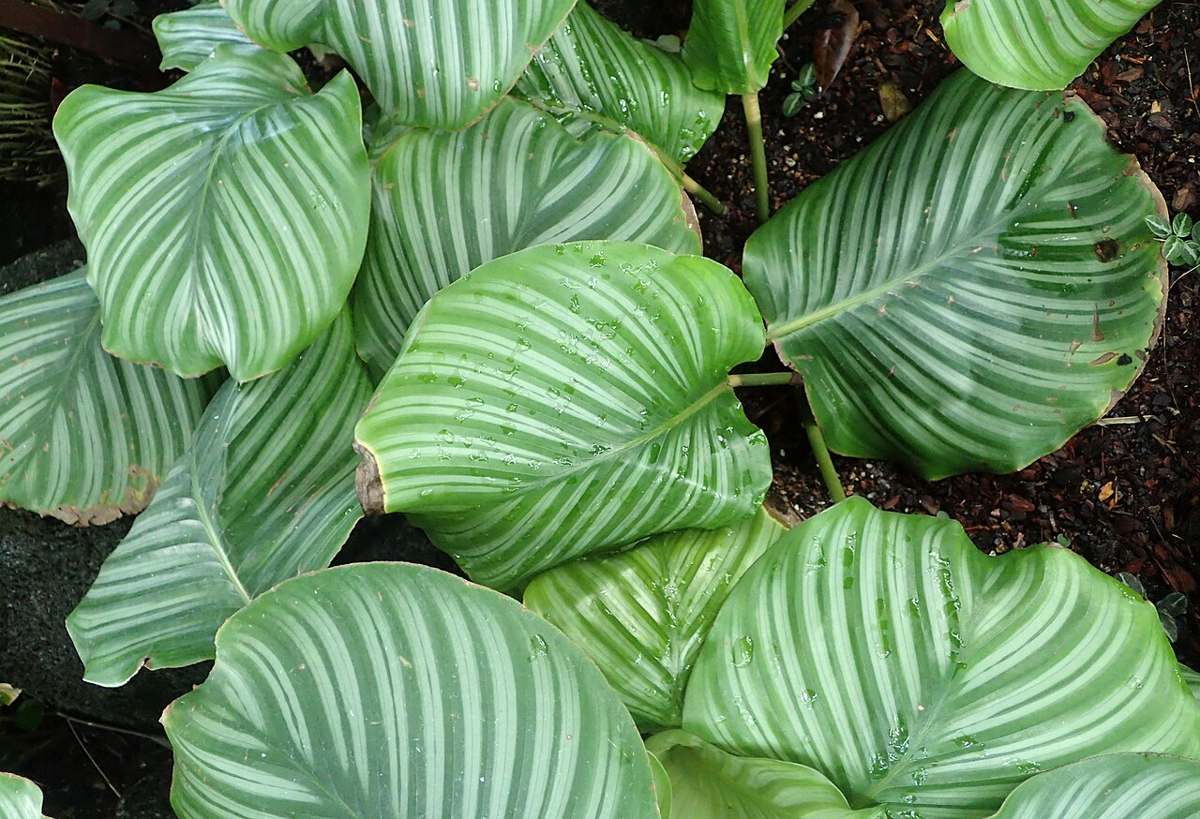
Is calathea toxic to dogs?
No. The ASPCA lists Calathea (Calathea spp.) as non-toxic to dogs, cats and horses. A large amount of any plant can still upset a dog's stomach.
Is calathea toxic to cats?
No. The ASPCA lists Calathea (Calathea spp.) as non-toxic to cats, dogs and horses. PetMD cautions that a non-toxic plant can still cause stomach upset if a cat eats a lot of it.
Known caveats
PetMD notes that while non-toxic plants will not cause poisoning, they may still lead to mild digestive upset such as vomiting or diarrhea if a dog eats a large amount (source).
For cats, PetMD says that a plant not being toxic does not mean it cannot pose other safety concerns: vomiting, diarrhea and a poor appetite are possible, and eating a large amount of plant material can risk a gastrointestinal blockage (source).
The ASPCA entry is for Calathea as a genus (Calathea spp.), in the family Marantaceae (source).
Symptoms to watch for
The ASPCA page lists no toxic principle or clinical signs. These are the general signs PetMD describes for non-toxic plants.
In dogs
- Mild digestive upset, such as vomiting or diarrhea, if a large amount is eaten (PetMD).
In cats
- Vomiting, diarrhea and a poor appetite if a cat eats it; PetMD also notes that a larger amount of any plant material can raise the risk of a gastrointestinal blockage.
What to do if your dog or cat ate it
- Remove any plant material from your pet's mouth and move the plant out of reach.
- Note what was eaten, roughly how much, and when. Keep a leaf or a photo of the plant handy.
- Call your vet, the ASPCA Animal Poison Control Center at (888) 426-4435 (a consultation fee may apply), or Pet Poison Helpline at (855) 764-7661.
- Do not induce vomiting unless a vet or poison line tells you to.
- Follow your vet's advice. Your vet may suggest watching your pet at home or bringing them in for an exam.
Frequently asked questions
Is calathea toxic to dogs?
No. The ASPCA lists Calathea as non-toxic to dogs. A large amount of any plant can still cause mild digestive upset.
Is calathea toxic to cats?
No. The ASPCA lists Calathea as non-toxic to cats. PetMD notes that non-toxic plants can still cause vomiting, diarrhea and a poor appetite.
Does the ASPCA list a specific calathea species?
The ASPCA entry is for the genus (Calathea spp.), in the family Marantaceae.
Can a non-toxic plant still make my pet sick?
Yes. PetMD says non-toxic plants can still cause mild digestive upset, such as vomiting or diarrhea, if a pet eats a large amount, and a large amount of any plant material can risk a blockage in cats.
Sources
- ASPCA: Calathea (Calathea spp.): Toxicity line, family and scientific name.
- PetMD: 29 flowers and plants for dogs (reviewed by Jennifer Grota, DVM; updated Mar. 19, 2021): Plant listing and the mild-digestive-upset caveat for dogs.
- PetMD: flowers and plants for cats (reviewed by Melissa Witherell, DVM; updated Mar. 31, 2026): Plant listing and the caveat that non-toxic plants can still upset a cat's stomach.
Last reviewed: . This is a household reference, not veterinary advice.
Keep it thriving: Moisture Meter
As an Amazon Associate, Plant Doctor earns from qualifying purchases. Affiliate links cost you nothing and keep Plant Doctor free.
Plant Doctor is free. If it helped, you can
Buy Apollo a treatQuick answers about Calathea
Is Calathea toxic to cats?
No, Calathea is not toxic to cats. See all 68 cat-safe plants.
Is Calathea toxic to dogs?
No, Calathea is not toxic to dogs. See all 70 dog-safe plants.
What is Calathea also called?
Calathea (Calathea spp.) is also called Peacock Plant, Rattlesnake Plant (Calathea lancifolia), and Calathea Orbifolia.
More plant lists
Not sure this is the plant you have? Scan it.
Scan your plantAlways confirm with a veterinarian or ASPCA Animal Poison Control (888-426-4435) before assuming safety. This is a household reference, not a substitute for professional guidance in a suspected poisoning.
· Source: ASPCA Animal Poison Control.
Keep your pets comfortable at home
The family behind Plant Doctor also runs a small pet shop for calm-home basics: beds, calming chews, and enrichment toys.
Browse Apollo's CornerEvery visit helps keep Plant Doctor free.